
Ho Chi Minh Mausoleum Guide: Hours, Rules, Dress Code & Travel Tips
About Ho Chi Minh Mausoleum
If you’re planning your first visit to Hanoi, make sure the Ho Chi Minh Mausoleum is at the top of your list. Located in the heart of Hanoi’s Ba Dinh Square, this solemn and historic site is where the preserved body of Ho Chi Minh, the founding father of modern Vietnam. For many Vietnamese people, Uncle Ho is a deeply respected national figure, and visiting the mausoleum is both a cultural and historical experience.
In 1945, President Ho Chi Minh declared Vietnam’s independence at Ba Dinh Square. The Ho Chi Minh Mausoleum, built between 1973 and 1975, is an impressive structure made of granite and marble. Interestingly, it was constructed despite Ho Chi Minh’s own wish to be cremated.
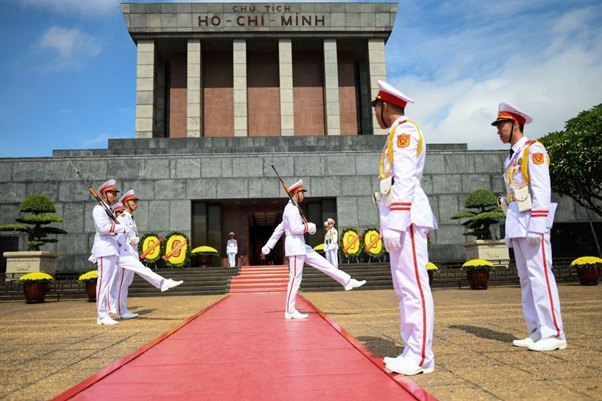
Today, the mausoleum serves as his final resting place and has become one of Hanoi’s most iconic landmarks. It stands as a place where Vietnamese people and visitors from around the world can come to pay their respects and learn more about the legacy of Vietnam’s beloved leader.
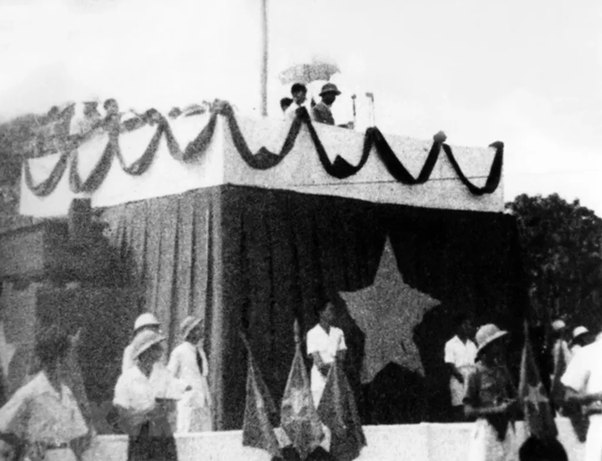
However, because it is an important site, there are a few things visitors should know before visiting Ho Chi Minh Mausoleum. Today, the large granite mausoleum stands as a symbol of respect and remembrance.
Best Time to Visit
The mausoleum is open only in the mornings, usually from around 7:30 AM to 10:30 AM, depending on the season. Because of this limited time to visit, it’s best to arrive early.
Here are a few tips:
- The Ho Chi Minh Mausoleum is open five days a week, in the mornings on Tuesday, Wednesday, Thursday, Saturday, and Sunday. In the hot season (from April 1 to October 31): from 7:30 to 10:30; in the cold season (from November 1 to March 31 of the following year): from 8:00 to 11:00; on holidays, Saturdays, and Sundays, it opens 30 minutes longer.
- Arrive before opening hours to avoid long queues
- Visit on weekdays if possible, as weekends tend to be busier
- Avoid visiting during major Vietnamese holidays when crowds can be very large
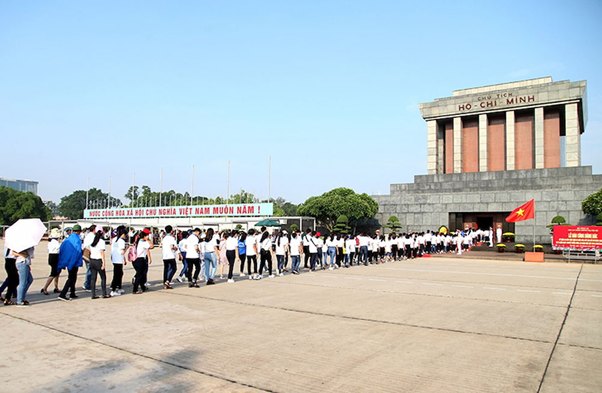
Another important thing to note is that the mausoleum closes for several months each year (usually around September to November) for maintenance. During that time, visitors can still explore the surrounding area but cannot enter the mausoleum itself.
Dress Code and Visitor Etiquette
Because the Ho Chi Minh Mausoleum is a sacred and respectful place, visitors are expected to follow a strict dress code.
What to wear:
- Shirts with sleeves
- Long pants or skirts below the knee
- Comfortable walking shoes
What to avoid:
- Shorts
- Tank tops
- Revealing clothing
- Security staff may refuse entry if clothing does not meet the requirements.
Inside the mausoleum, visitors must also follow several rules:
- No talking
- No photography
- No stopping or turning around
- Keep hands out of pockets
These rules help maintain the respectful atmosphere of the site.
Practical Tips for Visiting
Here are a few practical tips to make your visit easier:
- Expect security checks: Large bags, cameras, and phones may need to be stored before entering.
- Avoid shorts and revealing clothing.
- Entrance fee: From 25,000 VND to 40,000 VND (From 1 USD – 2 USD)
- Be prepared for lines: The queue moves steadily, but during peak season it can take some time.
- Following the line through security is strict, so follow all posted guidelines and instructions from guards.
- Combine it with other nearby attractions: The mausoleum is close to the Hanoi Old Quarter, West Lake, and several museums, making it easy to explore more of the city afterward.
- The interior is kept at a cool temperature to preserve the body. Visitors enter one by one and keep complete silence as they walk slowly through the viewing chamber. The atmosphere is intentionally serious and respectful, created to pay tribute to Ho Chi Minh’s legacy.
- The flag-raising ceremony at the Ho Chi Minh Mausoleum takes place regularly every day at Ba Dinh Square from 6am in summer and 6:30am in winter.
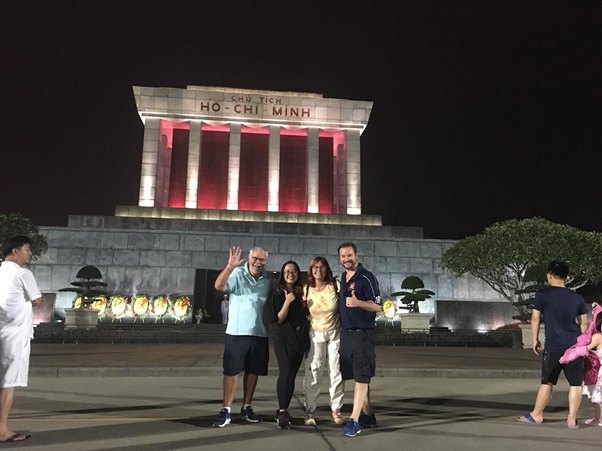
- The flag-lowering ceremony takes place every day at 9:00PM at Ba Dinh Square, in front of the Ho Chi Minh Mausoleum.
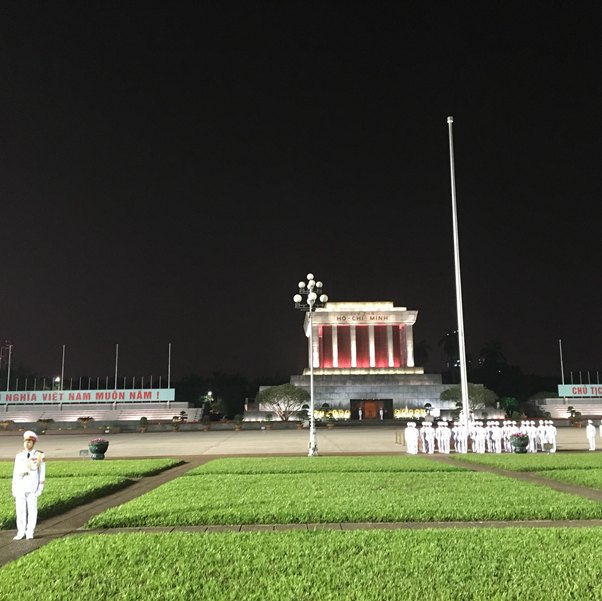
If you’d like to experience the flag lowering ceremony while also discovering more of the city, check out our Sunset Motorbike Tour. It’s a great way to explore Hanoi in the evening, visit local neighborhoods, and gain a deeper understanding of the city’s culture and daily life.
Near Ho Chi Minh Mausoleum
The mausoleum complex includes several fascinating attractions that many travelers overlook. After visiting the mausoleum, take time to explore the surrounding historical sites.
- Ho Chi Minh’s Stilt House: This modest wooden house shows how simply Ho Chi Minh lived. Despite being the president, he chose a humble lifestyle.
- One Pillar Pagoda: One of Hanoi’s most iconic temples, this unique pagoda sits on a single stone pillar rising from a lotus pond.
- Presidential Palace Gardens: The beautiful yellow colonial building nearby was once used by the French governor-general and later became part of the presidential complex.
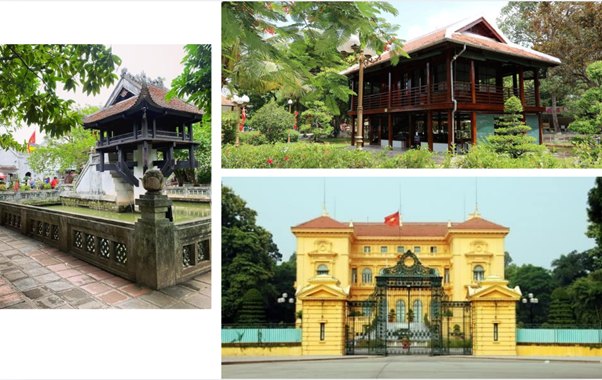
These sites together create a deeper understanding of Vietnamese history and culture.
Explore Hanoi Beyond the Mausoleum
Visiting the Ho Chi Minh Mausoleum is an important cultural experience, it’s only one part of what makes the capital city so special. Hanoi is full of vibrant street life, delicious food, historic temples, and hidden alleyways waiting to be discovered.
If you want to dive deeper into Hanoi’s culture, food, and hidden gems, you can join our Hanoi Full Day Excursion. The tours focus on Hanoi authentic local experiences—from street food adventures to heritage and culture sites.