




The Rise of Experiential Food Travel in Hanoi: Why Street Food Tours Are Changing in 2026
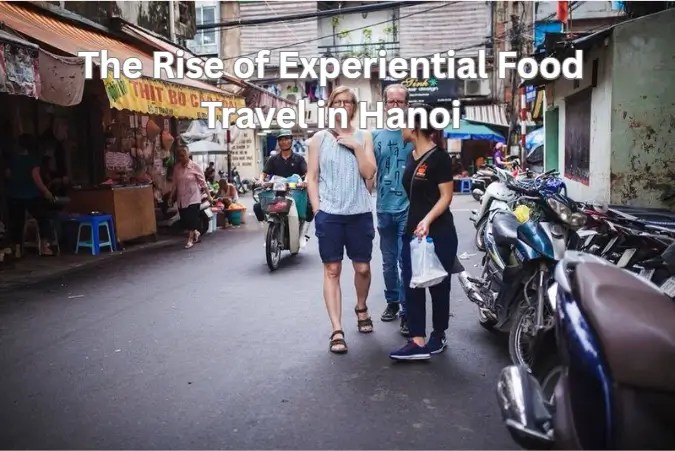
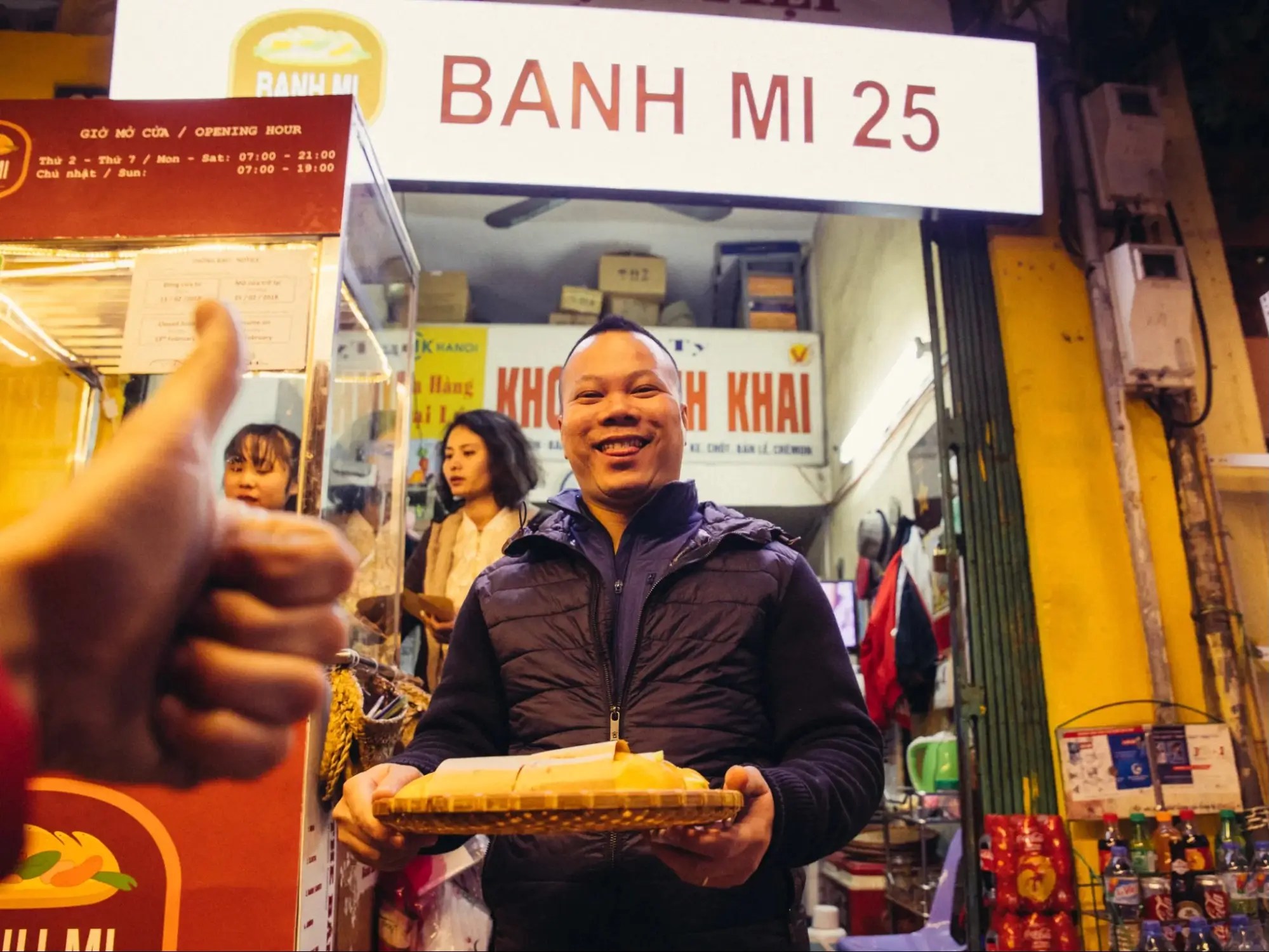
For years, many people who travelled to Hanoi had one simple food goal: eat a bowl of pho, try a banh mi, drink egg coffee, and cross “Vietnamese street food” off their list.
That is why the Hanoi street food tour is changing. It is no longer only about eating as much as possible in three hours. The best food tours in Hanoi now feel more like being invited into someone’s life: walking through narrow alleys, sitting on tiny plastic stools, hearing family stories, tasting dishes that do not always appear on tourist menus, and understanding the city through its flavours.
Hanoi Food Experience Is Becoming More Story-Driven
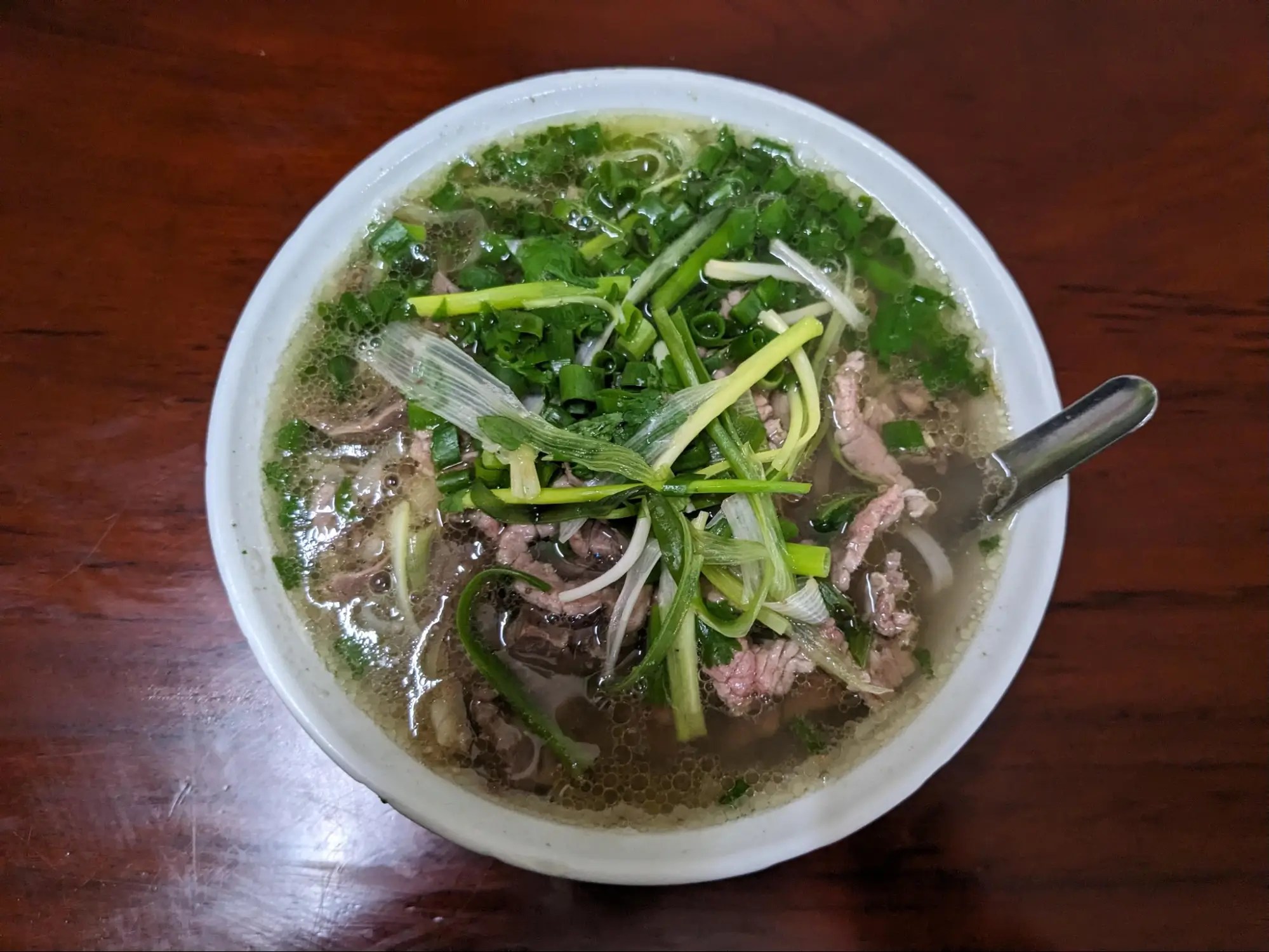
Hanoi is known for its street food. Pho, bun cha, banh cuon, xoi, egg coffee, and bia hoi are more than just well-known dishes; they are a part of the city’s culture. For more details on what to eat in Hanoi, check out our blog, 10 Must-Try Dishes When Visiting Hanoi.
However, a strong Hanoi food experience in 2026 requires more than a list of dishes. Travellers want to hear stories. They want to know why pho tastes different in Hanoi compared to southern Vietnam. They want to know why bun cha is typically served at lunchtime, why egg coffee was invented, and why bia hoi culture is so casual, social, and local.
This shift aligns with Hanoi’s broader tourism strategy. In 2026, the city will promote experience-based tourism, such as craft villages, cultural heritage, community-based tourism, night tourism, and ecotourism.
Food is a basic way for visitors to connect with the local culture.
From “Just Eating Pho” to Understanding the People Behind It
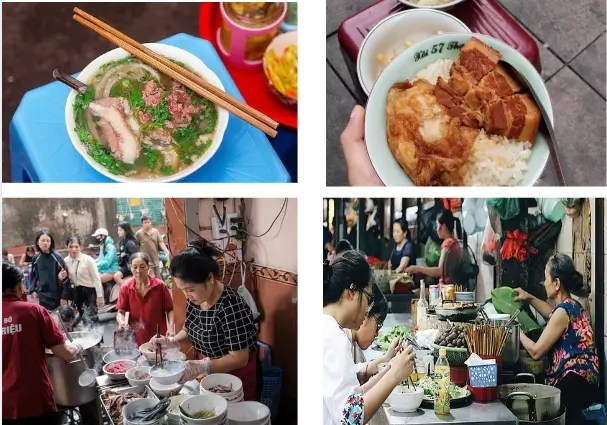
A simple bowl of pho becomes more meaningful when you know the vendor has been waking up at 3 a.m. for decades to prepare the broth.
When you see the rice batter spread thinly over steam on a plate of banh cuon, something changes.
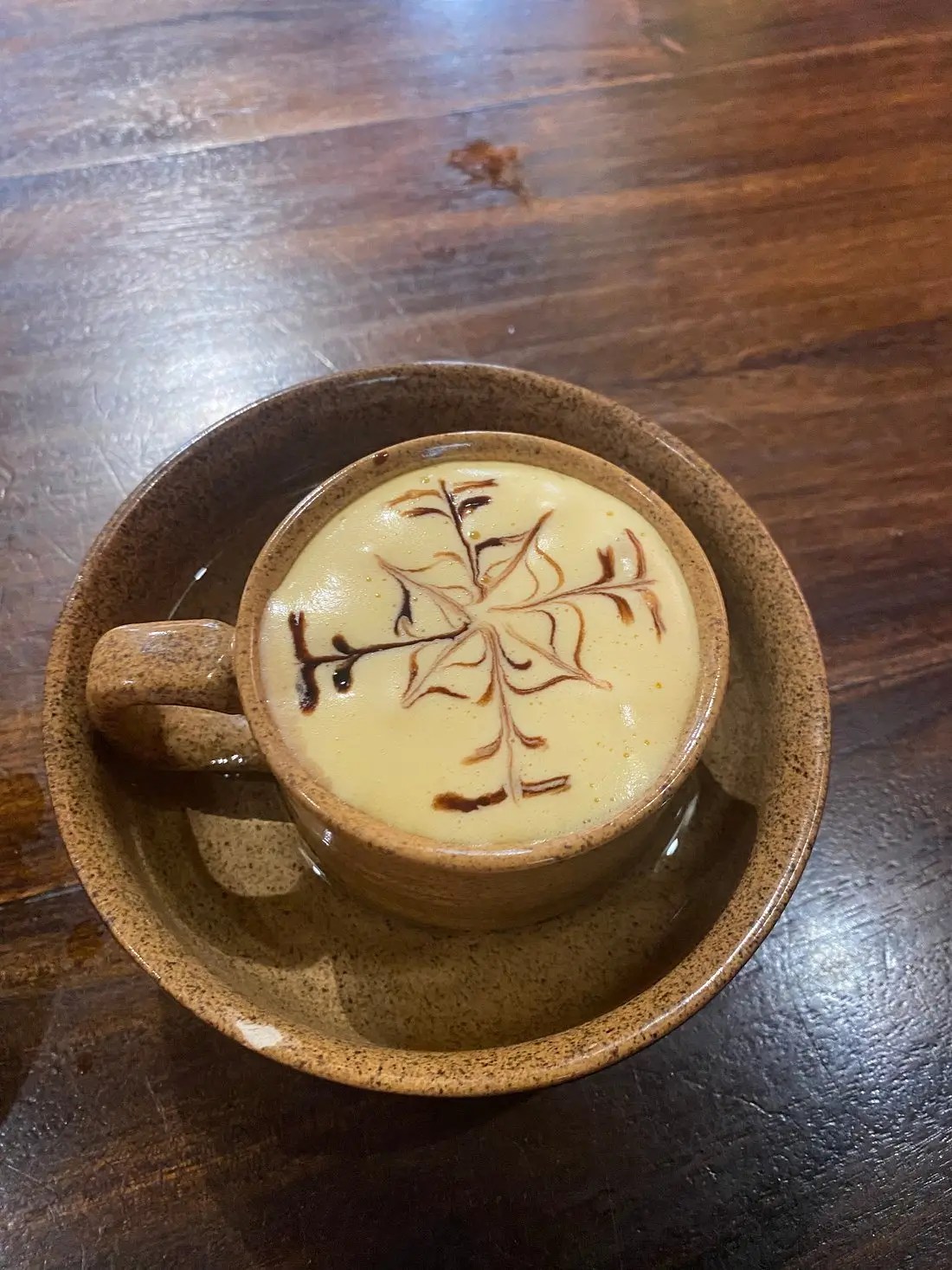
A glass of egg coffee becomes more memorable when someone explains how it reflects Hanoi’s creativity during times of limited ingredients.
That is the real power of experiential food travel. It turns food from a product into a memory.
The best Hanoi street food tour should not rush guests from one stop to another. It should slow them down. It should help them notice the old family sign above the shop, the regular customers who eat there every week, the auntie who remembers every order without writing it down, and the way locals naturally share tables with strangers.
This is where food becomes culture.
Meeting Locals Is Now Part of the Meal
Food travel in Hanoi is not only about taste. It is about connection.
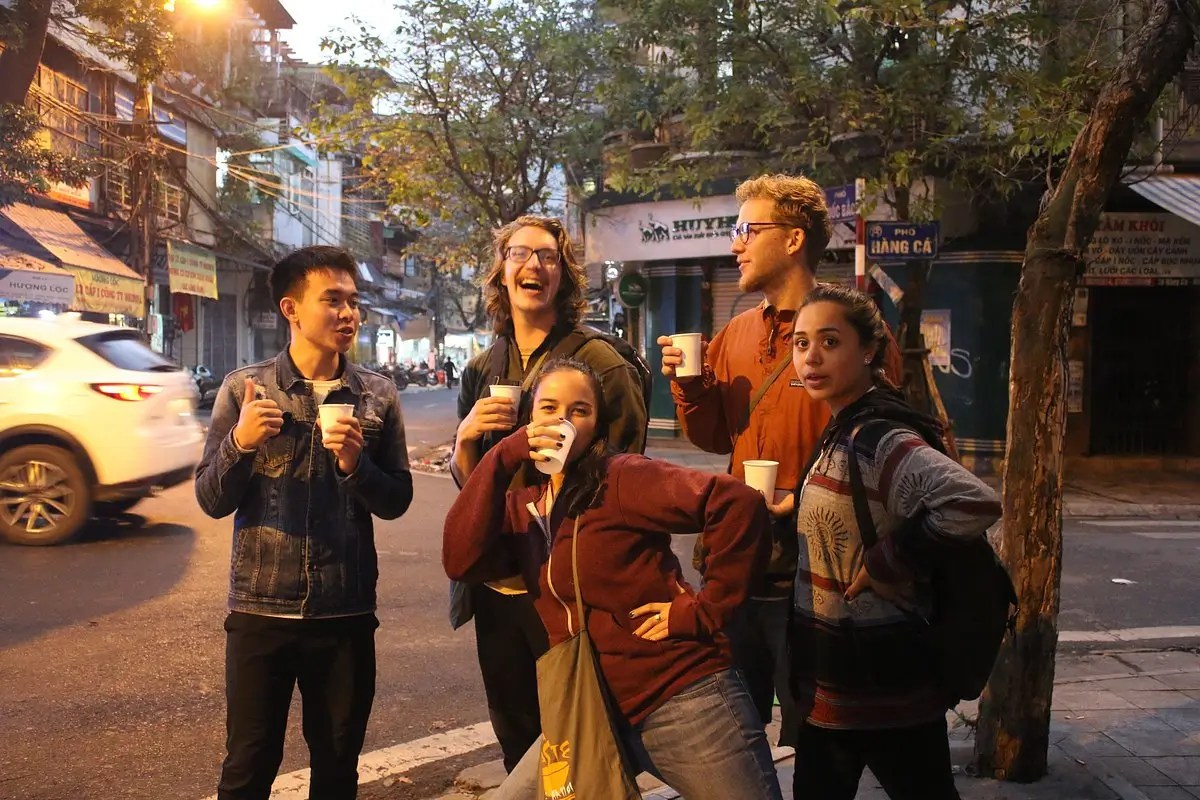
When travellers sit beside locals at a street market, ask questions, learn how to wrap herbs, or hear why a family has kept the same recipe for generations, the experience becomes more personal.
This matters because many travellers are tired of feeling like outsiders when moving around a destination. They want a softer, more personal kind of travel. They want to feel welcomed, not processed.
That is why a good Hanoi food experience should feel like a conversation rather than a lecture. The guide serves as a link between the visitor and the local community. The vendor is more than just someone who sells food; they become part of the story. If you want to join us for an authentic food experience, check out our Hanoi Street Food Tour – Street Eats & Bites
Night Food Tours Are Growing for a Reason
Hanoi feels different at night.
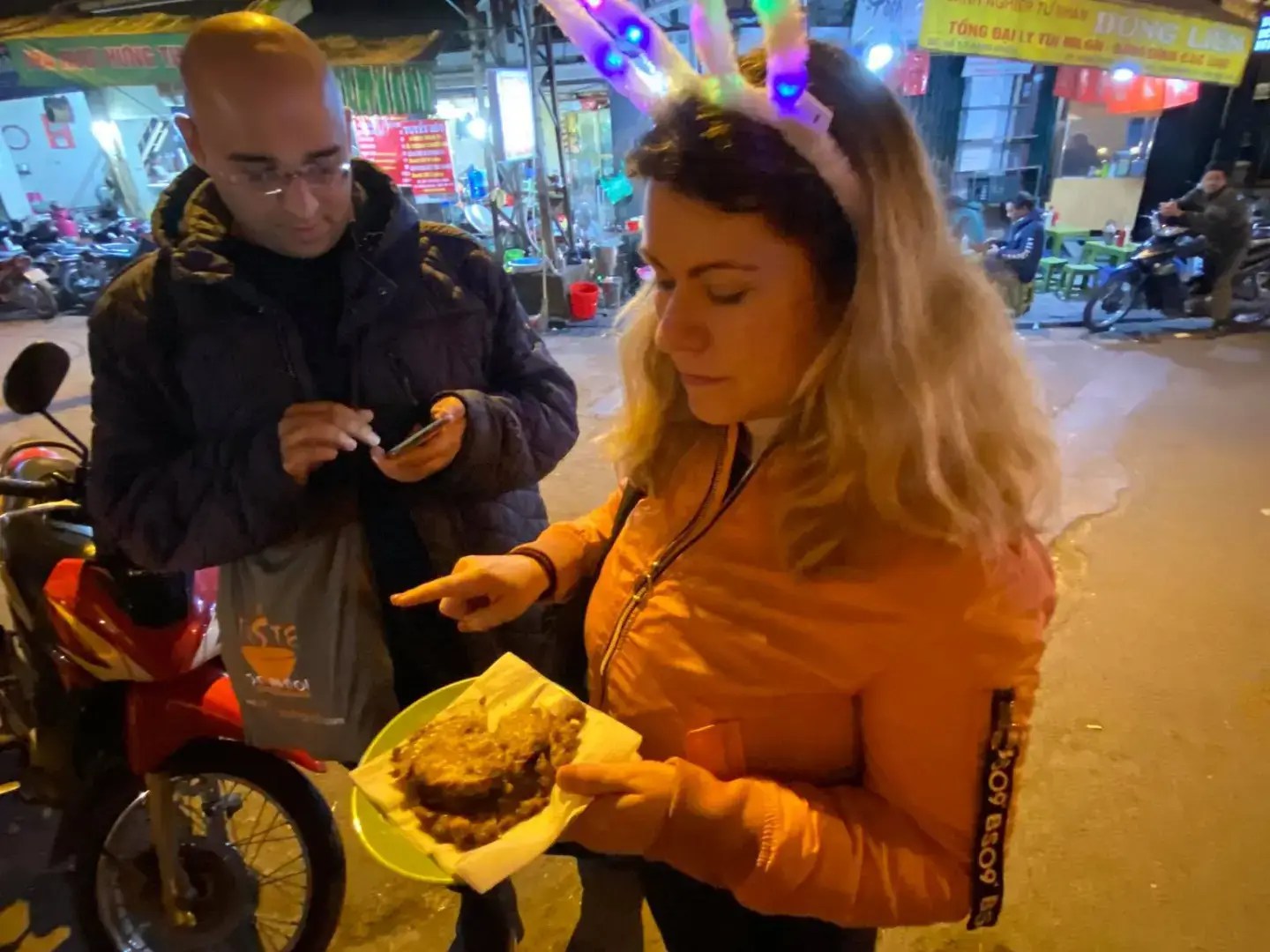
The heat softens. The streets become more social. Small food stalls glow under simple lights. Groups gather for grilled snacks, noodles, beer, and late-night coffee. This is when the city feels most alive.
Hanoi has also been expanding its night tourism products, with reports noting the city has multiple night-tourism products and pedestrian or food streets as part of its wider tourism development.
For food tourists, this creates a perfect opportunity. An Afternoon Food Walking Tour with us provides street food, local stories, hidden alleys, markets, and drinks in a way that feels relaxed and immersive.
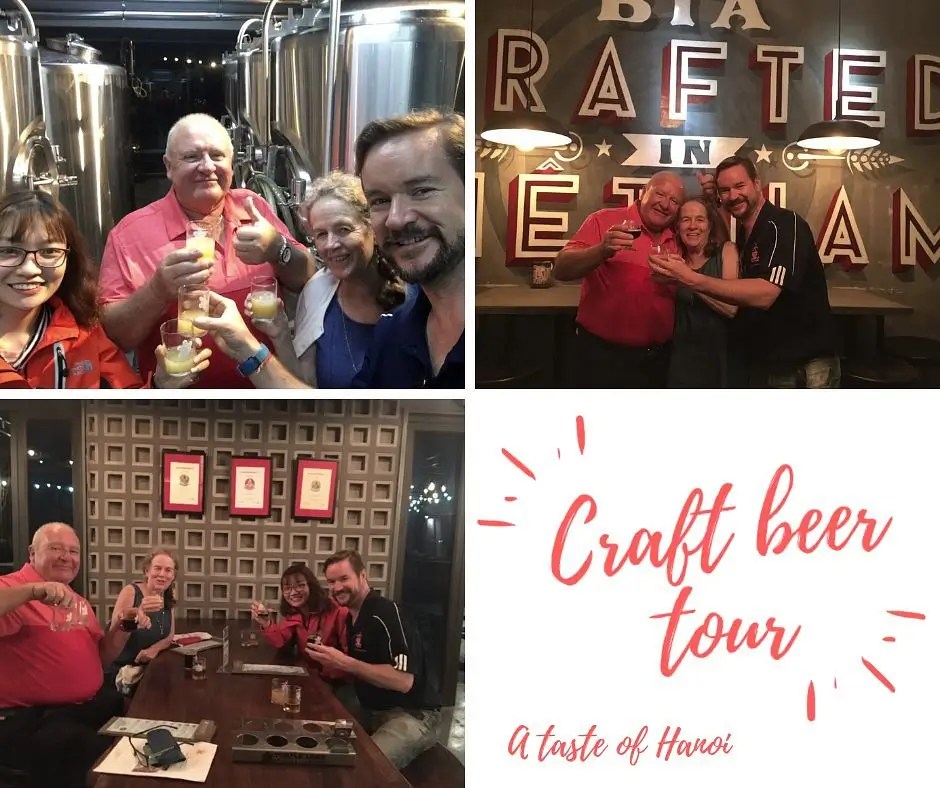
Craft Beer Pairings: A Fresh Edge for Hanoi Food Tours
One exciting direction for 2026 is pairing Hanoi street food with craft beer.
Vietnam is famous for bia hoi, and every tourist should try it at least once. But Hanoi’s newer craft beer scene adds another layer to the city’s food culture. With our The Original Craft Beer Tour of Hanoi you can move from traditional snacks to modern local beer, showing how Hanoi balances old and new.
Imagine tasting crispy spring rolls with a fresh pale ale, grilled pork skewers with a local IPA, or spicy street snacks with a cold craft lager. For more details about Hanoi craft beer, check out our blog Top 5 Best Craft Beers When Visiting Hanoi
This kind of pairing gives travellers something different than the usual food tour. It also attracts guests who want a more social, evening-based experience — not just eating, but relaxing, chatting, and discovering Hanoi’s modern local lifestyle.
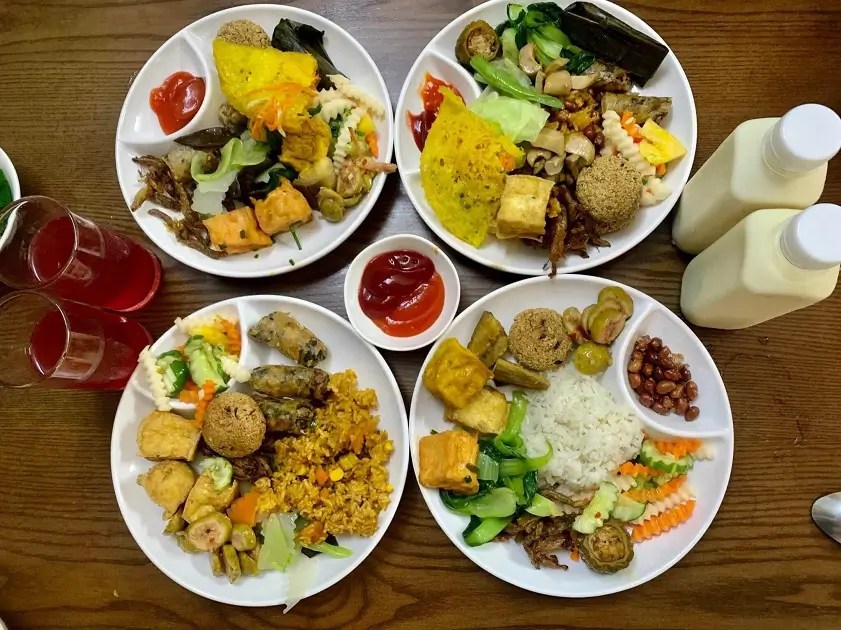
Vegan food: A growing local experience in Hanoi
Hanoi may be best known for its meat-based street food, but it also has a rich and deeply rooted vegan and vegetarian food culture. Influenced by Buddhist traditions, “đồ chay” (Vietnamese vegetarian food) has been part of daily life for generations, especially on lunar calendar days when many locals choose to eat plant-based meals. Over time, locals and international visitors have grown to love these simple, humble Hanoi dishes, which have evolved into creative and flavourful alternatives. If you want to have a deeper look at Hanoi’s traditional vegan food, check out our blog, Top 7 Vegan Dishes You Should Try in Hanoi
Final Thoughts: Hanoi Food Travel in 2026 Is About Feeling Invited
By 2026, travellers will want more than just sightseeing. They want connection, emotion, and authenticity. Hanoi is well placed for this shift because the city’s food culture is already rich, local, and deeply human.
A great Hanoi street food tour should never feel like a tourist show. Instead, it should feel like being invited into someone’s evening — sharing food, listening to local stories, meeting local people, and discovering parts of the city that most visitors never notice. Explore our Hanoi tours today and find your favourites.