
Vietnam War Sites in Hanoi: A Guide to the City’s Most Important Historical Places
Hanoi is often loved for its street food, coffee culture, and charming Old Quarter, but it is also a city deeply connected to Vietnam’s wartime history. For travelers who want to understand the country beyond the surface, exploring the Vietnam War sites in Hanoi can offer a meaningful and eye-opening experience.
From museums and memorials to historic government buildings and military relics, Hanoi gives visitors a chance to learn about the resilience, sacrifice, and strength that shaped modern Vietnam. Whether you are a history enthusiast or simply curious about the city’s past, this guide will help you discover some of the most important war sites in Hanoi.
And if you want to explore Hanoi in a more local way, you should have a try on visiting Hanoi War sites to connect the city’s history, culture, and everyday life in a much more personal way.

Why Visit Vietnam War Sites in Hanoi?
Visiting Vietnam War landmarks in Hanoi is not only about seeing old buildings or military displays. It is about understanding the stories behind them. These places help visitors see how Hanoi survived war, rebuilt itself, and became the lively capital it is today.
Many of these sites also show the contrast that makes Hanoi so fascinating. In one moment, you may be walking past the Hanoi Old Quarter or busy local markets. In the next, you are standing in a place that once played a major role during wartime. That contrast gives the city a unique emotional depth that many travelers remember long after their trip.
1. Hoa Lo Prison Relic
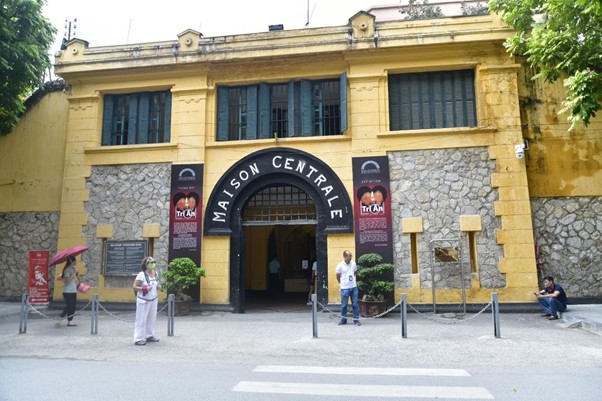
One of the most famous historical war sites in Hanoi is Hoa Lo Prison, often referred to by American prisoners of war as the “Hanoi Hilton.” Originally built by the French colonial government, the prison later became known internationally during the Vietnam War.
Today, Hoa Lo Prison is a museum where visitors can learn about both the French colonial period and the experiences of prisoners during wartime. The exhibitions include preserved prison cells, historical photographs, and personal stories that make the visit powerful and memorable.
For travelers interested in Hanoi’s layered history, this is often one of the first places to visit.
2. B-52 Victory Museum
The B-52 Victory Museum is one of the most significant places to visit if you want to understand Hanoi’s role during the air raids of the Vietnam War. The museum focuses on the famous “Dien Bien Phu in the Air” campaign of December 1972, when Hanoi faced heavy bombing.
Outside the museum, visitors can see wreckage from a B-52 bomber, which makes the history feel especially real. Inside, there are maps, military artifacts, and displays explaining how the city defended itself.
This site may be smaller than some of Hanoi’s better-known museums, but it gives important insight into a crucial moment in the city’s wartime story.
3. Huu Tiep Lake and the B-52 Wreckage
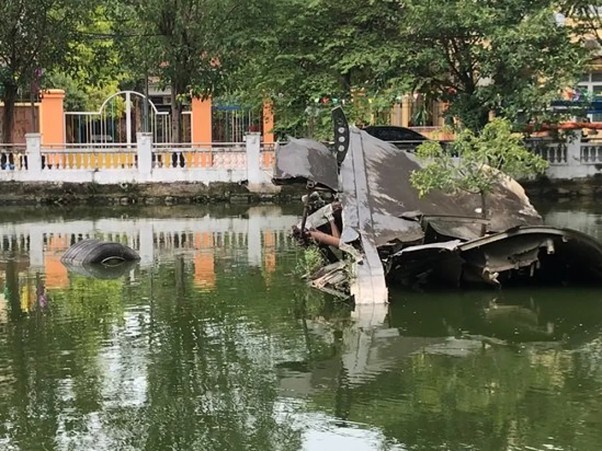
Hidden in a quiet residential area near Ngoc Ha, Huu Tiep Lake is one of the most unusual Vietnam War sites in Hanoi. In the middle of the lake, you can still see the wreckage of an American B-52 bomber that was shot down during the 1972 bombing campaign.
What makes this site special is the setting. It is not inside a museum. It is located in local homes, narrow streets, and everyday neighborhood life. That combination of normal daily life and wartime memory creates a very moving atmosphere.
For travelers looking to explore a lesser-known side of the capital, this is a fascinating stop that offers a more personal connection to Hanoi’s war history. To discover places like this in a more immersive way, join our Hidden Sites of Hanoi by Scooter Tour and experience the city’s hidden corners, local stories, and historical landmarks from a unique perspective.
4. Ho Chi Minh Mausoleum Area
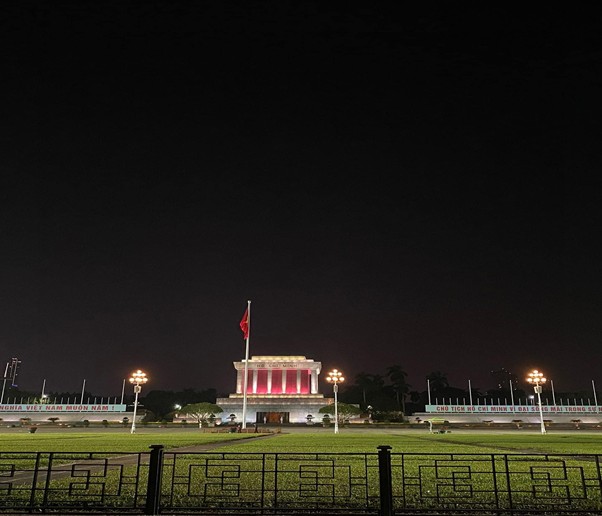
Although the Ho Chi Minh Mausoleum is not a war site in the traditional sense, it is closely connected to the history of modern Vietnam and the struggle for independence. The complex includes important landmarks such as the Presidential Palace area, Ho Chi Minh’s Stilt House, and Ba Dinh Square, where President Ho Chi Minh declared Vietnam’s independence in 1945.
For anyone wanting to understand the political and historical background behind Vietnam’s wartime years, this area is essential. It helps place the later conflict in a wider national story of resistance and self-determination.
If you are already exploring central Hanoi, this is an easy and meaningful stop to add to your itinerary. You can also check out our Ho Chi Minh Mausoleum Guide for useful information and important visitor rules, helping you avoid any confusion when visiting one of Hanoi’s most iconic landmarks.
5. Vietnam Military History Museum
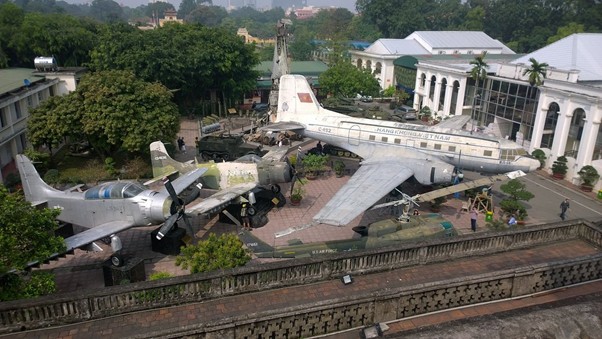
The Vietnam Military History Museum is one of the best places in Hanoi for a broader overview of Vietnam’s military past, including the anti-French resistance and the Vietnam War. The museum displays tanks, aircraft, weapons, uniforms, and many wartime artifacts.
One of its most striking highlights is the outdoor collection of military equipment, including aircraft wreckage. Visitors can also see the famous Hanoi Flag Tower nearby, which adds another historical layer to the experience.
This museum is a good choice for travelers who want a more comprehensive understanding of the country’s military history in one place.
6. Long Bien Bridge and The John McCain Memorial
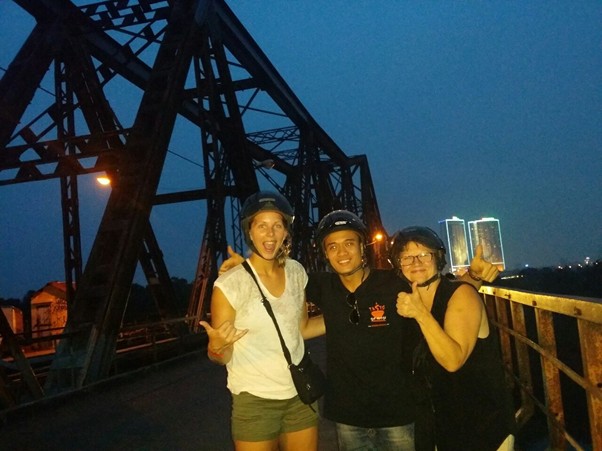
Long Bien Bridge is one of the most iconic historical sites in Hanoi and a lasting symbol of the city’s endurance. During the war, the bridge was repeatedly targeted because of its strategic importance, yet it survived and remains a proud part of Hanoi’s identity today.
Walking across Long Bien Bridge offers a very different view of the capital. You can feel the age of the structure, look out over the Red River, and imagine how important this crossing once was during some of the most difficult periods in Hanoi’s wartime history. It is a place where history and everyday local life still come together in a very real way.
Not far away, The John McCain Memorial is another thought-provoking Vietnam War site in Hanoi. Located beside Truc Bach Lake, the memorial marks the spot where Senator John McCain was shot down during the Vietnam War in 1967. Although it is a small landmark, it offers a meaningful opportunity to reflect on the city’s complex past while discovering a quieter and lesser-known part of Hanoi.
Together, these places offer visitors a deeper look at Vietnam War history in Hanoi and the stories that helped shape the capital. If you would like to explore these landmarks in a more immersive and local way, check out our Hanoi Sunset Motorbike Tour, where you can experience Hanoi’s historic atmosphere, hidden corners, and iconic sights from a unique perspective.
Exploring Hanoi Beyond the Museums
One of the best things about discovering Vietnam War sites in Hanoi is that these places are never isolated from the city itself. History in Hanoi is woven into the streets, neighborhoods, food culture, and daily rhythm of life.
That is why many travelers enjoy combining historical sightseeing with a more immersive local experience. After visiting museums and memorials, you may want to explore Hanoi’s hidden alleys, local markets, or traditional food spots to better understand the city people fought to protect.
Tips for Visiting Vietnam War Sites in Hanoi
When planning your visit to Hanoi war museums and memorials, here are a few useful tips:
Arrive early in the day when possible, especially for popular sites such as Hoa Lo Prison and the Ho Chi Minh Mausoleum area.
Dress respectfully, particularly if you are visiting places with national or memorial significance.
Take your time reading the exhibits. These sites are most meaningful when you slow down and engage with the stories behind them.
Combine major museums with local neighborhoods. Places like Huu Tiep Lake become even more memorable when you see them as part of everyday Hanoi life.
Leave space in your itinerary for local experiences too. Hanoi’s culture is one of the best ways to understand its resilience and spirit.
Final Thoughts
Exploring the Vietnam War sites in Hanoi is one of the most meaningful ways to understand the city and its past. These historical places tell powerful stories of conflict, survival, and national identity, while also revealing something deeper about Hanoi itself: its resilience, pride, and ability to move forward while still honoring its history.
From Hoa Lo Prison and the B-52 Victory Museum to Long Bien Bridge and Huu Tiep Lake, each site offers a different perspective on Hanoi’s wartime story. Together, they give visitors a deeper and more complete understanding of the capital, far beyond the usual tourist attractions.
If you want to discover these important historical sites in Hanoi in a more meaningful way, join our Hanoi Vietnam War Tour with a local guide. It is a great opportunity to learn more about Vietnam War history in Hanoi, hear local insights, and explore the places that helped shape the city you see today.