Best Time to Visit Vietnam: A Complete Seasonal (2026 Guide)
Plan your trip to Vietnam ? Understanding the Vietnam weather and seasons is needed for choosing the best time to visit. This Vietnam travel guide explains the best months to visit North, Central, and South Vietnam, including weather conditions, travel tips, and must-see destinations.
Overview about Vietnam
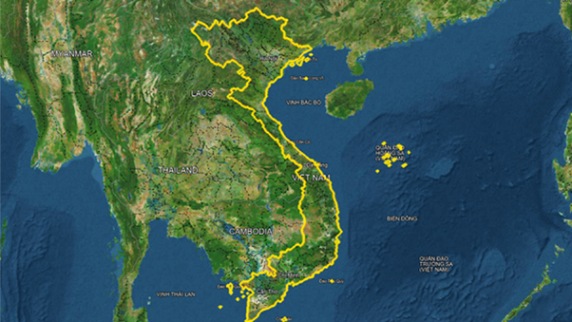
Vietnam is a beautiful country known for its breathtaking scenery, rich culture, and incredible street food. Stretching along an S-shaped coastline in Southeast Asia, Vietnam offers diverse landscapes ranging from misty mountains in the north to tropical islands in the south. With a length of more than 1,600 km from north to south, the climate varies significantly by region.
Discover the best time to visit Vietnam by season. Complete Vietnam weather guide for North, Central and South Vietnam, travel tips, and best months to travel.
Understanding Vietnam weather:
Vietnam has three main climate zones:
- North Vietnam: Four seasons (Spring, summer, autumn and winter)
- Central Vietnam: Two seasons ( Dry season and rain season)
- South Vietnam: Tropical climate ( Dry season and wet season)
North Vietnam: Sapa- Hanoi- Ha Long Bay
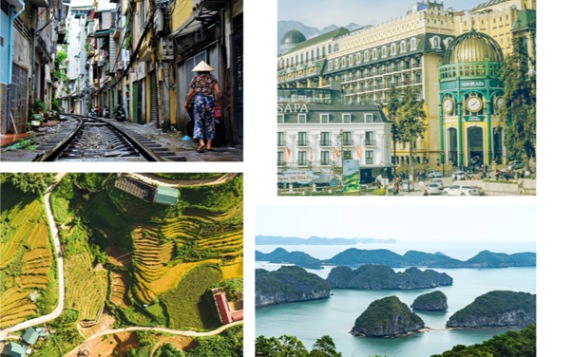
Northern Vietnam is famous for its dramatic landscapes, including high mountains, deep valleys, and rich culture. The region includes major destinations such as Hanoi, the mountainous town of Sapa, and the UNESCO-listed Ha Long Bay with limestone formation and emerald water colour.
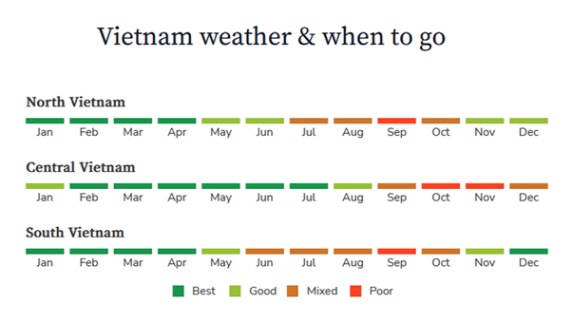
Best months to go: January to June and November to December
North Vietnam experiences four seasons:
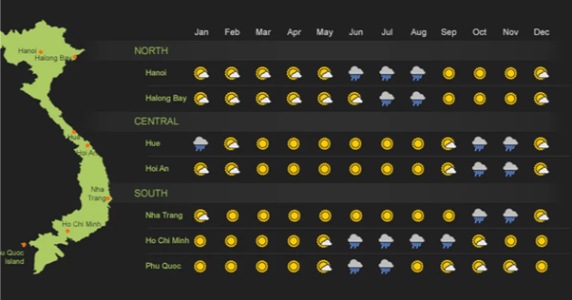
- Winter (December–February): Cold and sometimes foggy, especially in mountain areas
- Spring (March–May): Mild temperatures and light rainfall
- Summer (June–August): Hot, humid, and heavy rain
- Autumn (September–November): Cool, dry, and comfortable
Travel tips in North Vietnam:
- Experience the stunning beauty of this UNESCO World Heritage site by taking a cruise to explore its incredible landscapes in Ha Long Bay.You can join us for a Hanoi Shore-Excursion from Ha Long Bay to Hanoi for an unforgettable adventure!
- Sapa highly recommended going in early Spring to fully see the colorful flower blooming and August to October for seeing rice fields once a year.
- Visitors can explore Hanoi through our Hidden Side Of Hanoi By Scooter Tour for a deeper local experience.
- For some must try Hanoi street foods. Or don’t know where to eat in Hanoi? Join us for our Hanoi Street Food Tour .
- Best time for photography: September–November offers clear skies and beautiful autumn scenery.
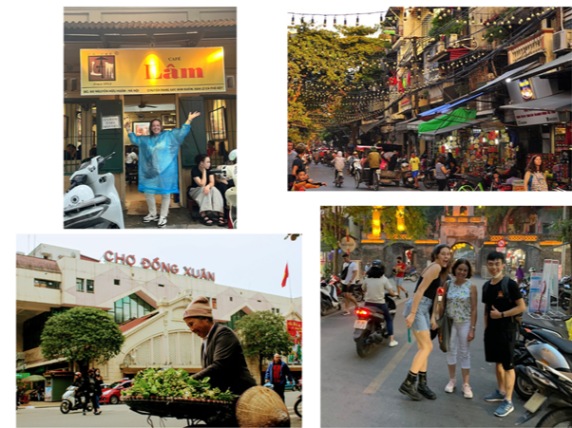
So plan your visit to North Vietnam for Spring to Autumn. The weather is basically mild and dry, suitable for outdoor activities.
Central Vietnam: Quang Binh- Hue- Da Nang- Hoi An- Nha Trang- Quy Nhon
Central Vietnam features long sandy beaches, mountain passes, lagoons, and tropical forests. Most popular destinations include the coastal city of Da Nang, the historic trading port of Hoi An, and the cave systems of Phong Nha Ke Bang National Park where it has the world’s largest caves.
Best months to go: January to August
Central Vietnam has two main seasons:
- Dry season (January–August): Warm, sunny weather with little rainfall — ideal for beach holidays
- Rainy season (September–December): Heavy rain and occasional tropical storms, especially in coastal areas
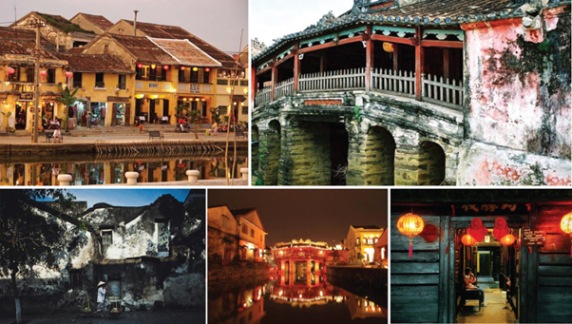
Travel tips in Central Vietnam:
- Traveling between February and April provides comfortable temperatures and stable weather.
- Avoid rainy months (September–October). Typhoons and flooding can affect coastal destinations and transportation.
- Don’t miss the chance to explore the vibrant markets and breathtaking landscapes of both Da Nang and Hoi An! For an unforgettable experience, check out our Da Nang and Hoi An Full-Day Shore Excursion to discover the best of these enchanting cities in one amazing tour!
- Early September is the perfect time to visit beach destinations because of the lower number of tourists and still sunny weather.
- Remember to visit Gac Ma Martyrs Memorial Site in Nha Trang to fully appreciate 64 soldiers who sacrificed their lives for Vietnam’s sovereignty over the Spratlys. For a deeper exploration of the city’s hidden gems through our Nha Trang Full-Day Shore Excursion.
- Booking hotels before visiting Hue, Da Nang, Hoi An, Quy Nhon during summer months.
- Check the weather condition and tour availability. You don’t want to miss your trip to Phong Nha Ke Bang National Park because of the weather conditions.
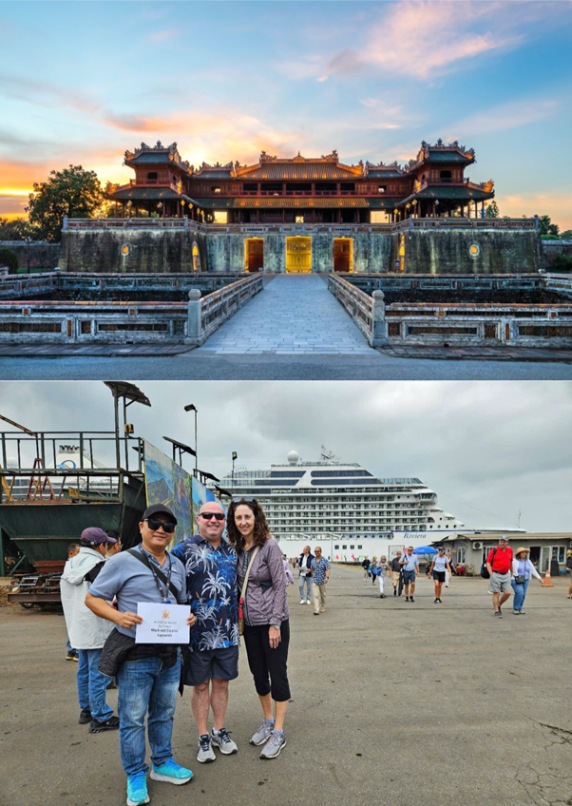
- If you are visiting Central Vietnam and want to explore Vietnam’s imperial history in depth, a guided Hue Shore Excursion is highly recommended.
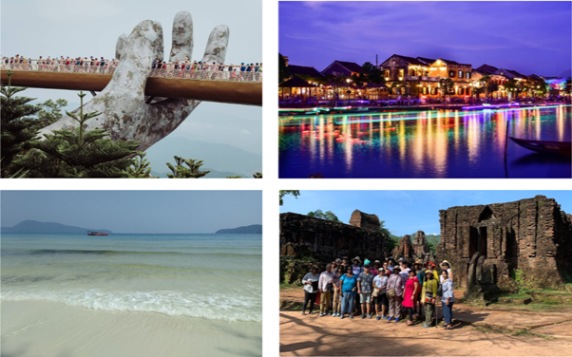
- Visit the world’s longest single-wire cable car to the stunning Golden Bridge in Da Nang and Hoi An ancient town- UNESCO World Heritage Site.
South Vietnam: Da Lat, Ho Chi Minh City, MeKong Delta, Phu Quoc island
Southern Vietnam is mostly flat and tropical, surrounded by the Mekong River Delta and lowland plains. The region features an extensive network of rivers, canals, and lush agricultural landscapes, making it one of Vietnam’s most important farming areas. Visitors should not miss Ho Chi Minh City- the largest urban area in Vietnam and Phu Quoc tropical island.
Best month to go: January to May and November to December
Just like central Vietnam, the southern region has 2 different weather: dry and rainy seasons.
The dry season which starts from November to April specially with February is the driest month compared to other months. With sunny skies and low humidity, this weather is suitable for outdoor exploration, cultural tours, and beach escapes. This is the peak season for tourists seeking sunshine and adventure.
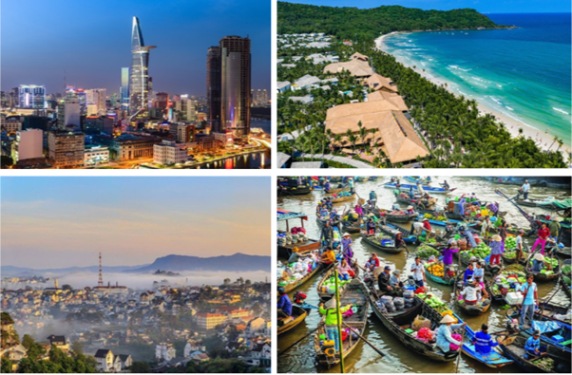
Travel tips in South Vietnam: Da Lat, Ho Chi Minh city, MeKong Delta, Phu Quoc
- Expect short but heavy rain during the wet season. Showers usually happen in the afternoon, so plan outdoor activities in the morning.
- Dive into vibrant street foods, busy streets and historic sites in Sai Gon. Plan your trip with our Sai Gon Shore Excursion for an experience like local people.
- Prioritize using transportation app (eg. Grab, XanhSM) for a stable price.
- Phu Quoc island is an excellent choice for a beach vacation during the dry season. If you want to see Suoi Tranh at its best, go in November or December when the water levels are high from last rainy season.
- In Da Lat, some outdoor sports can be cancelled during the wet season due to the water level being too high.
Conclusion
Vietnam is a year-round destination. However understanding the Vietnam weather and regional climate helps you choose the best time to visit Vietnam for your preferred activities.
If you’re looking to discover Vietnam from North to South, don’t miss our 13-Days Vietnam Foodie Tour! Experience unforgettable memories as you immerse yourself in the rich culture, stunning landscapes, and delicious cuisine of this beautiful country.